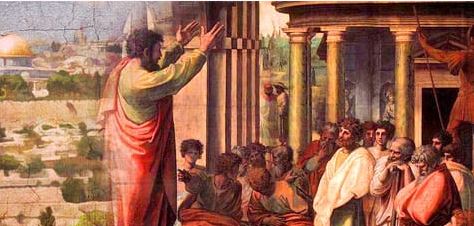
Early Christian Outlook and its Jewish Matrix

دوره

Christianity as born out of Judaism: What is meant by it? No consensus among scholars. This Hebrew University course offers you a Jerusalem viewpoint.

السعر مجانا
وتيرة التعلم تعلم ذاتي למידה בזמן והקצב שמתאים לכם.
مدة الدورة 4 ساعات في الأسبوع | 14 أسبوعًا
المستوى מתקדמים

لغة الدورة: الإنجليزية

الترجمة: ترجمة عبرية, ترجمة إنجليزية

معرفة مسبقة: لا يوجد

جزء من برنامج: لا يوجد

متوفر على: المتصفح

ماذا سوف نتعلم؟

  • To recognize the importance of contextualizing nascent Christianity within late Second Temple Judaism.
  • To name the main genres of the surviving early Christian sources and describe the process that eventually led to the canonization of the New Testament.
  • To describe the historical circumstances of the birth of Christianity and variegated settings of the first decades of its existence.
  • To comprehend the transition of the earliest Jesus-centered tradition from its oral Semitic stage to written Greek compositions.
  • To discern various strategies employed by the Synoptic tradition (Matthew, Mark, and Luke) to define Jesus’ messiahship vis-a-vis the variety of Second Temple Jewish messianic beliefs.
  • To recognize the multifaceted character of references to “the Jews” in the Fourth Gospel and acknowledge the variegated explanations of the Gospel’s harsh polemical stance raised in the research.
  • To discern the roots of the notion of Messiah’s pre-existence in Second Temple Jewish literature and its metamorphosis in rabbinic sources.
  • To discern John’s reworking of the Synoptic tradition of Jesus’ miracles into the narrative of signs and wonders, using the story of Exodus as its focal point of reference.
  • To recognize the conflict within the Jesus movement about the inclusion of the Gentiles and their obligations to the Torah observance as a reflection of differences of opinion in broader Second Temple Judaism.

وصف الدورة

When the earliest followers of Jesus suggested that their teacher was the anointed one, the Messiah, promised by ancient prophets who would bring redemption to Israel, they applied to Jesus some broader Jewish messianic beliefs.

  • What different kinds of messianic ideas were people nurturing?
  • Was a messianic expectation a mainstream or a marginal Jewish viewpoint?
  • To which Jewish groups first Jesus’ followers felt close and from whom they were estranged?

The movement that had started in the Land of Israel would reach out at an early stage to the broader Greco-Roman world, to both Jews and non-Jews there.

  • How much were the earliest Christian texts, coming from that Greek-speaking phase, influenced by their new cultural environment?
  • Do they still reflect faithfully the initial beliefs of Jesus’ followers? Do they reinterpret them dramatically? Or do they even turn their back on them?

These are all complicated questions, which are crucial for understanding the birth of Christianity from within the Jewish matrix, as well as various modern religious movements. And these are only some of the questions to be asked if we truly want to reach such an understanding. Our inquiry may lead us to some unexpected answers.

If you are ready to be part of the ongoing discussion and are willing to discover what may be called a Jerusalem perspective on the topic, you are invited to join our course.

فريق التدريس

פרופ' סרגיי רוזר

מרצה · الجامعة العبرية في القدس

פרופ' סרגיי רוזר

מרצה · الجامعة العبرية في القدس

إلى الملف الشخصي الكامل

יעל קרמר

עוזרת הוראה · الجامعة العبرية في القدس

יעל קרמר

עוזרת הוראה · الجامعة العبرية في القدس

إلى الملف الشخصي الكامل